
Episode 1
Ohara: A Mountain Village Echoing with Buddhist Chants
Jan 12, 2017
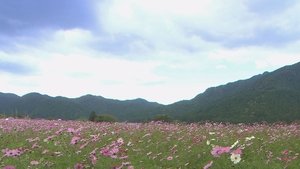
Some 1,000 years ago, monks from warring Mt. Hiei and nobles from the capital retreated from the world in rustic Ohara, northeast of Kyoto. The monks perfected the practice of shomyo, a melodic singing of Buddhist sutras, and in its heyday the village had as many as 50 practice halls. Ohara also was a sanctuary for nuns, and is known for the distinctively dressed local women called Oharame, who sold firewood in Kyoto. Discover the nature and history of Ohara through the deep faith at its heart.
Episode 2
Kyoto State Guest House: Hospitality Imbued with Beauty and Craftsmanship
Jan 26, 2017
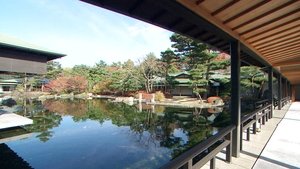
The Kyoto State Guest House was built as a Japanese-style reception facility within the Kyoto Imperial Palace Park in 2005. This serene, elegant single-story facility hosts dignitaries from around the world. As of 2016 it is now open to the public year-round. Seasoned Kyoto craftsmen in traditional architecture and the industrial arts applied their expertise to imbue it with the ultimate in hospitality. Discover another facet to Kyoto sensibilities through their impeccable attention to detail.
Episode 3
Public Baths: People Gather to Wash Their Troubles Away
Feb 16, 2017
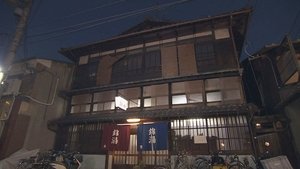
Sento, or bathhouses, were built in Kyoto to cater to the large student and artisan population who lived in lodgings without baths. Many are worthy of historic note. One has been operating for 1,300 years; another is part of a temple complex. Some have splendid decors or interesting baths. Today they remain lively social hubs of their communities. A young manager strives to create a Sento young people frequent. Discover the allure of Sento where people gather to relieve the stress of the day.

Episode 4
Kitayama Cedar: Lending a Quality of Polished Dignity and Beauty
Mar 2, 2017
The soaring forest of tall, straight cedars in Kitayama, in Kyoto's northwest, is a glorious sight. Kitayama cedar -- known for its light color, uniform thickness, and smooth, knotless trunk -- is treasured as a material for floors and pillars in Japanese architecture. And daisugi cedars, pruned to produce dozens of tree-like offshoots from one trunk, are prized in gardens for their aesthetic value. Discover the allure of Kitayama cedar through the foresters who inherited their management.
Episode 5
The Culture of Incense: The Wafting Scents of an Ageless Pleasure
Apr 6, 2017
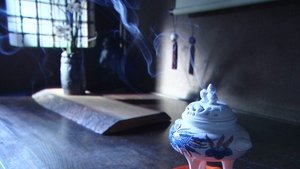
Incense is primarily made by mixing natural plant-derived scents. It lends rooms ambience to welcome guests and is used in grooming. Originally burned in prayer, it now enrichens everyday life in Kyoto. Kodo, or the way of incense, which arrived in Japan with Buddhism 1,500 years ago, has deep ties to the spiritual world. Aloeswood and other aromatic woods are cut to rice-sized pieces and appreciated following set protocols. Discover how incense is intertwined with the hearts of Kyotoites.
Episode 6
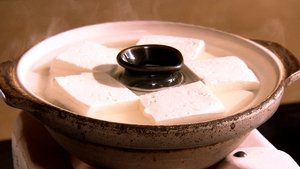
Kyoto Tofu: Subtle Taste Nourished by Skill and Pride
Apr 20, 2017
Tofu arrived from China along with Buddhism over a millennium ago. It further evolved in Japan as an ingredient in Shojin-ryori vegetarian Zen cuisine and in time appeared on the tables of the common folk. The pursuit and refinement of tofu-making and its cooking in the ancient capital produced distinct varieties. The artisans curdle the mix of soybeans and water with bittern to give a taste that is profound in its simplicity and sophistication. Discover the food culture surrounding Kyoto Tofu.
Episode 7
Modern Kyoto: The Ancient Capital's Aesthetics Shape the Future
May 4, 2017
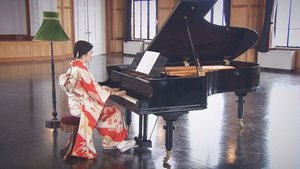
Kyoto's revitalization at the dawn of modernization in the 1860's was spurred by its 1,000-year history of tradition and innovation. The source of this vitality is the "generous and adaptable spirit" of Kyotoites. An exemplar of this is a painting of a kimono-clad woman playing the piano. Today the city – its temples and century-old buildings – continue to evolve. Discover modern Kyoto through the inheritors to the traditional crafts who are promoting their works to the world.
Episode 8
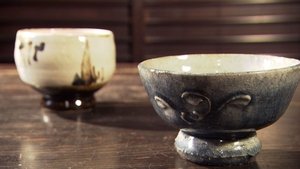
Potter Kanjiro Kawai: Freely Creating a Homely Warmth
May 18, 2017
Kanjiro Kawai was prolific in Kyoto in the mid-1900's. Originally from Shimane Prefecture, he devoted himself to pottery at Gojozaka, the hub for graceful Kiyomizu ceramics, for 46 years. He is regarded a master of glazes, and his works are characterized by an abundance of color and a strength of form. A leader of the Folk Arts Movement, he pursued the beauty of everyday implements. Discover how the cultural climate of Kyoto nurtured and supported Kawai as he pursued beauty within "life as work".
Episode 9
The Art of Cleaning: Maintaining the Ancient Capital's Beauty
Jun 1, 2017
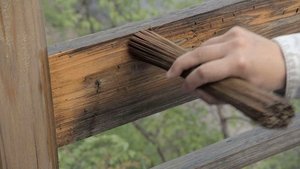
The business of Araiya in Kyoto involves cleaning and restoring old temples, shrines, Machiya-style townhouses, and other wooden structures to their former glory. The industry is sustained by many Kyotoites' desire to cherish and hand down their belongings over generations. Araiya essentially work by hand patiently using age-old techniques to remove the grime and stains from homes, furniture, and kimono, too. Discover Kyotoites' respect for history and continuity through the expertise of Araiya.
Episode 10
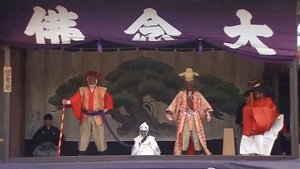
Nenbutsu Kyogen: Buddhist Teachings Behind Masked Theater
Jun 15, 2017
Nenbutsu Kyogen is held at Kyoto temples in spring. This masked theater began here 1,000 years ago as group recitations of Buddhist teachings to receive greater blessings. In time this evolved into a means of imparting the teachings through comedic theater, and today amateur locals avidly perform and preserve the tradition. The 3 main temples are Seiryo-ji, Injo-ji, and Mibu-dera. Discover the local's deep Buddhist faith and their strong community ties through this age-old performing art.
Episode 11
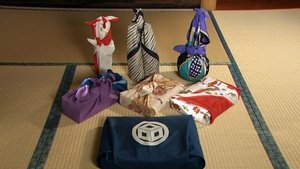
The Custom of Wrapping: Conveying Hidden Sentiments
Jul 6, 2017
Kyotoites have for centuries refrained from directly conveying their true sentiments. Instead, they have refined the art of gift wrapping as a means of subtle communication. As senders honed their skills, recipients became deft at perceiving the thoughts and feelings enclosed. However, this custom was not just a show of gratitude. The packages embrace a sense of the seasons, sympathy, or delight as the recipient opens them. Discover the hidden sentiments within the folds of wrapping culture.
Episode 12
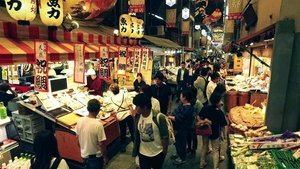
Nishiki Market: Kyoto's Thriving Kitchen
Jul 20, 2017
Nishiki Market, referred to as "Kyoto's kitchen", supplies local households and businesses with choice local cooking ingredients, including Kyoto vegetables and seafood. It began 1,000 years ago with fish peddlers, and in time a market evolved around the abundant local supply of pure artesian water. The market has faced many crises but survived, the driving force being the merchants' solidarity. Discover how the local merchants uphold the Nishiki brand through their workings and community ties.
Episode 13
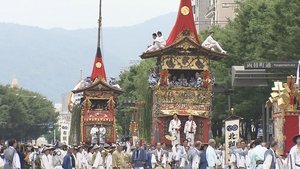
Gion Matsuri Floats: The Pride of Generations Revived
Aug 24, 2017
Gion Matsuri was restored to its former glory in 2014, almost 50 years after its two processions were merged into one. Again one parade precedes the deities' journey from the shrine to their temporary abode during the festival, and another precedes their return. The festival's revival was led by the resurrection of the Ofune Hoko float after 150 years. Now the Taka Yama float, absent for 190 years, will also be rebuilt. Discover the pride and passion of locals in bringing back old traditions.
Episode 14
Ayu Sweetfish: A Summer Delicacy with Culture
Sep 7, 2017
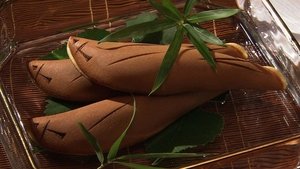
In early summer, confectioners display traditional sweets shaped like ayu, or sweetfish. For Kyotoites, ayu is as important a summer fish as conger pike. For centuries, fresh seafood was limited in landlocked Kyoto, so ayu caught in the Kamo and Katsura Rivers was considered precious. So much so that according to 1,000-year-old records it was often gifted to the imperial court. Discover the rich culture inspired by this fresh summer delicacy that Kyotoites still cherish today.

Episode 15
Hidari-daimonji: Flames of Prayer to the Other Side
Sep 21, 2017
Japanese believe their ancestors' spirits visit in mid-August. To safely guide the spirits back to the other world, they light bonfires on 5 mountains in the Gozan-no-okuribi ceremony. The residents charged with the Hidari-daimonji bonfire solemnly uphold the traditional spirit of prayer and allow only local participation. Here, a large torch is used to transport the fire from the temple at the foot of the mountain. Discover the customs that continue to bind the living and the dead in Kyoto.
Episode 16
Kyoto Braided Cords: Bit Players That Shine
Oct 5, 2017
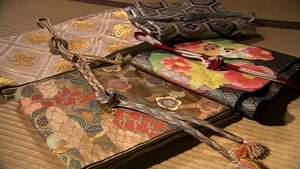
Kyoto's braided cords came into their own as fashion accessories for the nobility, 1,000 years ago. Elegant and practical, they were highly prized, and used in religious and formal settings. They came to be deployed in samurai armor, and their use then spread to the common folk, stimulating production. Today braided cords, with their fine detail, shine as bit players in various occasions in daily life. Discover the allure of Kyoto braided cords and the ancient culture of elegant fastenings.

Episode 17
Footwear Culture: Dressing the Feet for Form and Function
Oct 19, 2017
Geta and zori set off the kimono ensemble. People from all walks of life covet Kyoto footwear that evolved with the kimono. Artisans pursue beauty and functionality in the simple construction of a V-shaped toe thong attached to a base. Maiko wear special geta made with traditional techniques. Strict rules of footwear etiquette still pertain today, while a child's first geta are endowed with their parents' hopes for their future. Discover the footwear culture of the ancient capital.
Episode 18
Zuiki Matsuri: A Celebration of the Local Harvests
Nov 2, 2017
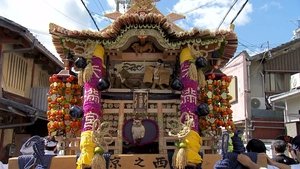
In early October, Kitano Tenmangu shrine holds the Zuiki Matsuri festival. Sacred palanquins carry the spirit of the shrine's deity through the parish to its temporary abode. Enshrined there is a portable mikoshi shrine with a 400-year history. Residents spend a month festooning it with local produce and imbue it with gratitude for an abundant harvest. Discover their connection with nature through this festival that retains vestiges of bygone days when the district was a farming area.
Episode 19
Ink Paintings: Insights into the Heart of Zen
Nov 16, 2017
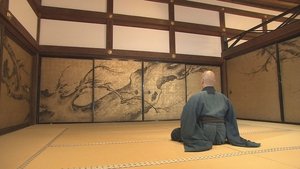
Dramatic blacks and pearly grays evoke profound scenes. Originating in China, ink painting was once part of Zen monks' ascetic training. It reveals the beauty of space in a simple, refined state and captivates the viewer, while conveying the Zen tenets. The art form took hold and matured in Kyoto in the 15th C. with masters, such as Josetsu and Sesshu, and Jakuchu in modern times, wielding great influence on the genre. Discover how ink painting evolved in the austere, spiritual climate of Kyoto.
Episode 20
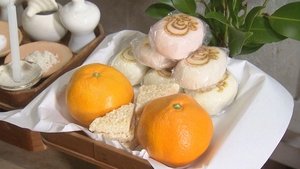
Kyoto Snacks: Sweets and Treats for Everyday People
Dec 21, 2017
In Kyoto, people regularly buy sweet treats at stores, which specialize in seasonal sweets that are also used in festivals. Some purveyors continue to use age-old ingredients and methods, and the lines outside their stores are proof of their popularity. People believe eating red adzuki beans wards off evil, as well as providing nutrition and energy, so they are a favored ingredient for ritual sweets. Discover Kyoto's beating heart in the sweets and treats that embody the everyday wisdom of old.
Skip to content